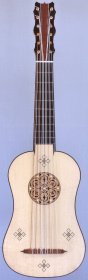
VIHUELA de MANO
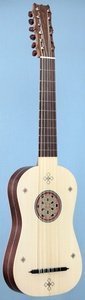
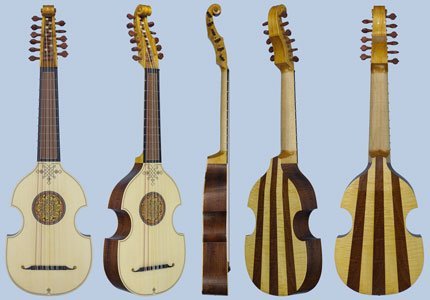
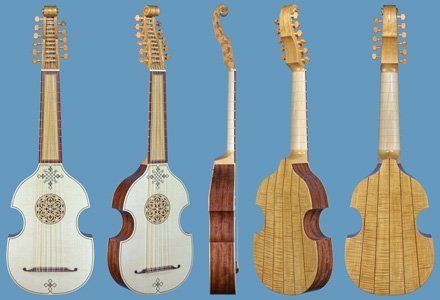
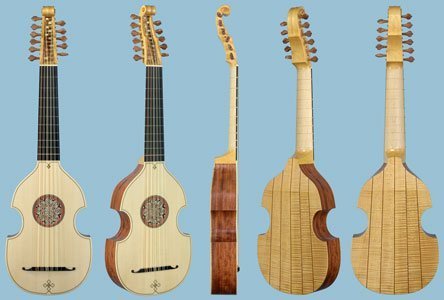
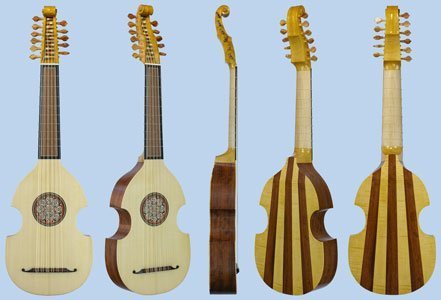
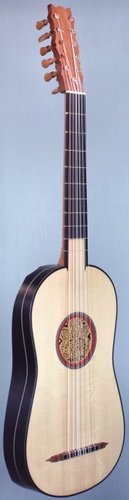
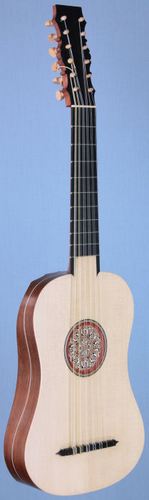
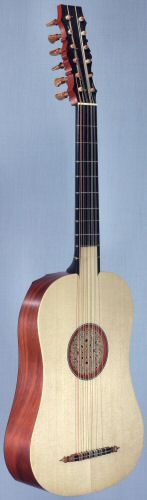
Flat-back vihuelas
From £1850

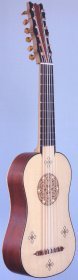
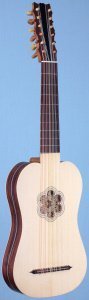
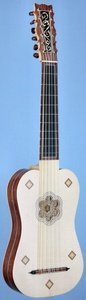
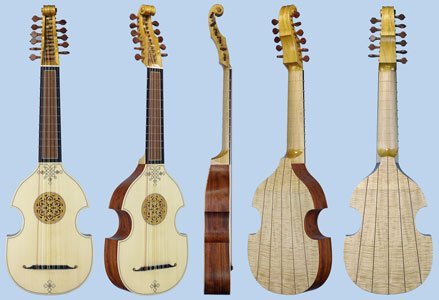
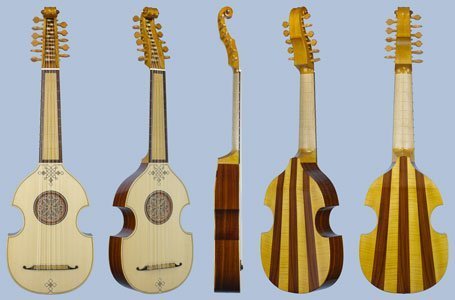
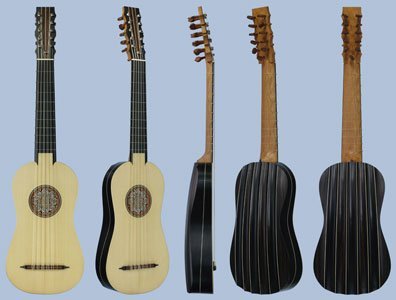
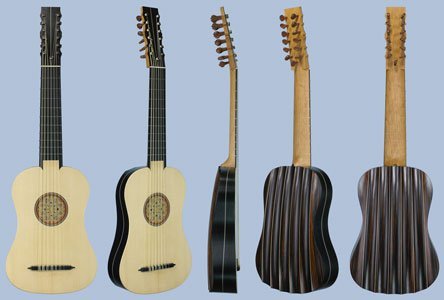
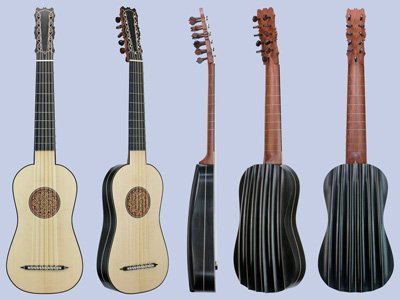
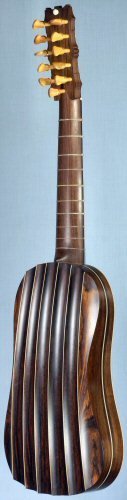
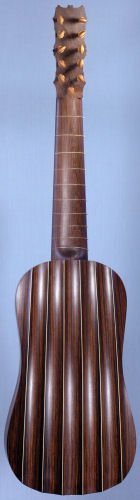
Vihuelas with vaulted (aconvada) and fluted (acanalada) type of back
Constructional features and historical background
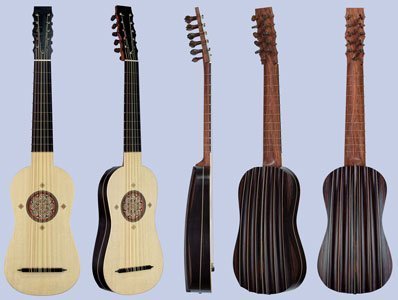
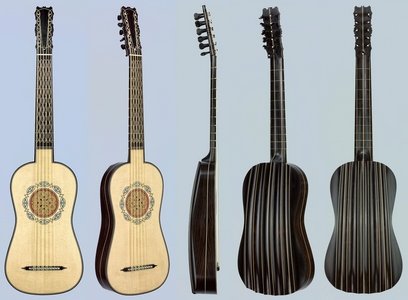
The body can be made from different varieties of exotic hard woods, such as rosewood, kingwood, cocobolo and ebony. The latter is mentioned a number of times, with reference to fluted-back guitars / vihuelas, in the historical accounts given in an important book by Jose L. Romanillos Vega and Marian Harris Winspear, "The Vihuela de Mano and the Spanish Guitar", The Sanguino Press, Guijosa 2002. There is a brilliant introduction in this book by Jose Romanillos in which he outlines his views on the historical development of vihuela and guitar. Further to the existing music by Fuenllana for a five-course vihuela (Muguel Fuenllana, Ortpenica Lyra, 1554) and the often quoted Bermudo’s statement (Juan Bermudo, Declaracion de Instrumentos Musicales, Osuna, 1555) on how to transform a six-course vihuela into a four-course guitar we now have additional evidences that guitars and vihuelas in the second half of 16th – early 17th century Spain were constructed by Spanish violeros following the same constructional principles and could have had either flat, vaulted or fluted backs. On my vihuela in A I also introduced (following, as an example, a technique used in the Quito vihuela) a twisted silver-plated wire which is inlayed into the ebony edging of the soundboard. I came across many instances of the use of twisted wire inlays in ancient traditional instruments originating from the regions of Persia, Middle East and Caucasus. So it would not be unusual to find this type of inlays used in the 16th – 17th century Spain where the influence of Arabic culture was so strong.
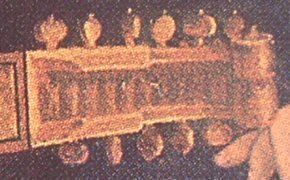
Also note that an anonymous vihuela E.0748, otherwise known as ''Chambure'' (Cite de la Musique, Paris) was converted, at some point in its history, to a seven-course instrument, by adding an extra notch in the treble side of the bridge, an extra peg hole at the upper end of the peg head and by shifting the bridge further to the left side of the soundboard. |
![]() |
![]() |
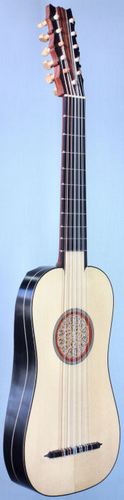
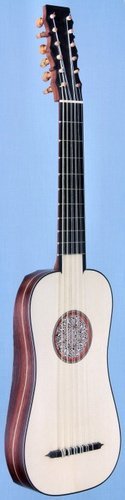
These
two vihuelas, one with cocobolo and the other with ebony fluted
ribs (for more detailed pictures see below), were commissioned
by the same customer and it was an interesting project for
me to undertake, as to how the sound of these two instruments
would differ. Despite the differences in rose designs, I tried
to keep the parameters of their soundboards as close as possible
(of which the overall mass and the corresponding main tap-tone
vibration frequencies are the most important).
|
For more detailed views and information click on the corresponding images below
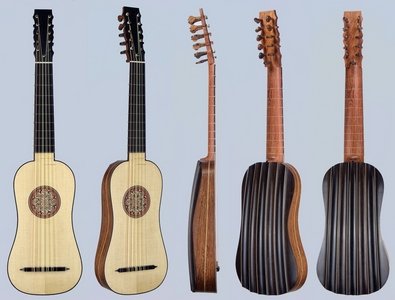
Vihuelas in A or G (SL 56cm) and in G or F (SL 60cm) with cocobolo back ribs, solid kingwood neck.
![]() |
![]() |
![]() |
![]() |
From £2800
Reduced
version (SL
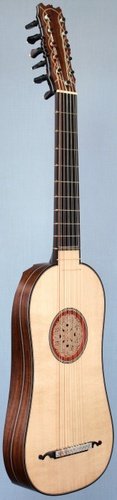
60 cm) of an anonymous vihuela E.0748 "Chambure" (Museé de
la Musique, Paris) with ebony ribs, triple w/b/w purfling
in-between. Also available in rosewood and cocobolo.
|
From £2400
Vihuela in G or F with cocobolo ribs and ebony sides SL 60cm |
Ebony vihuela in G or F SL 60cm |
||
From £2700
|
From £3500
|
||
Rosewood vihuelas
in A, G SL 56cm |
in G, F SL 60cm |
in F, E SL 66cm |